



Longer Ray5 miniS Laser Engraver
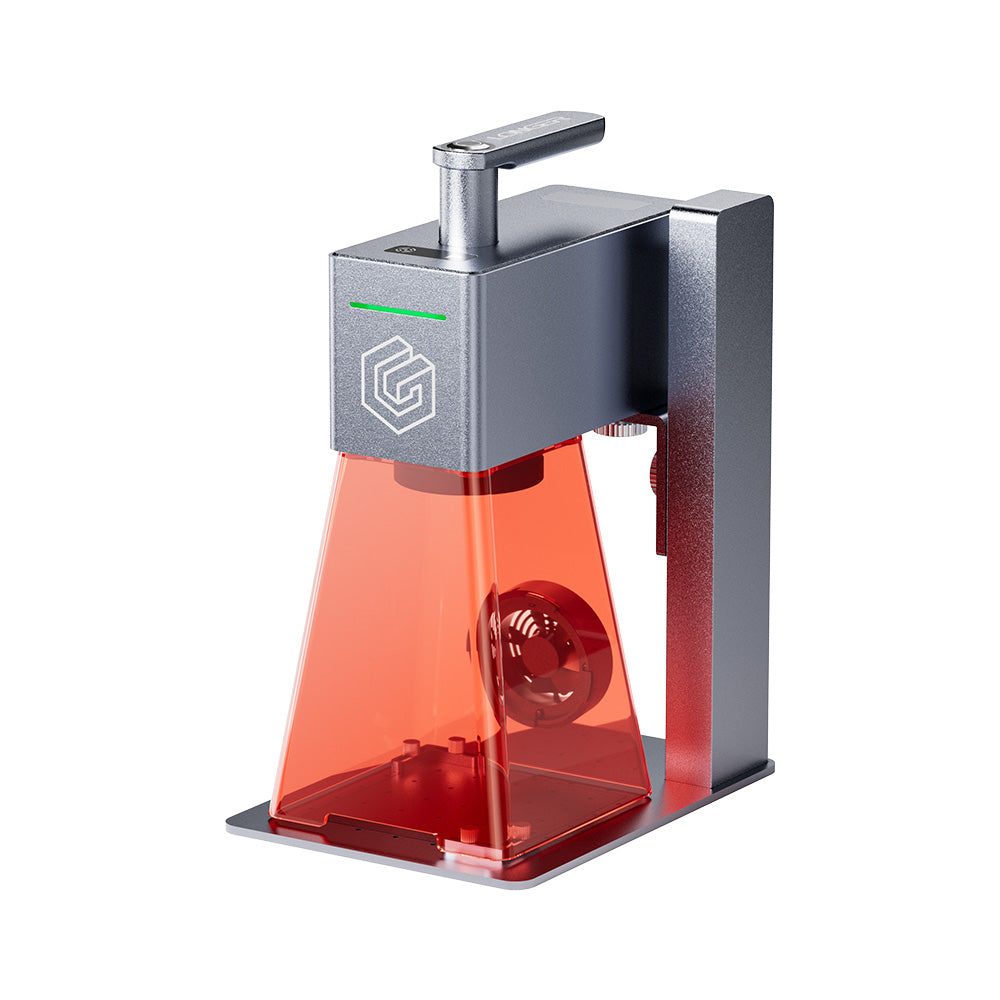


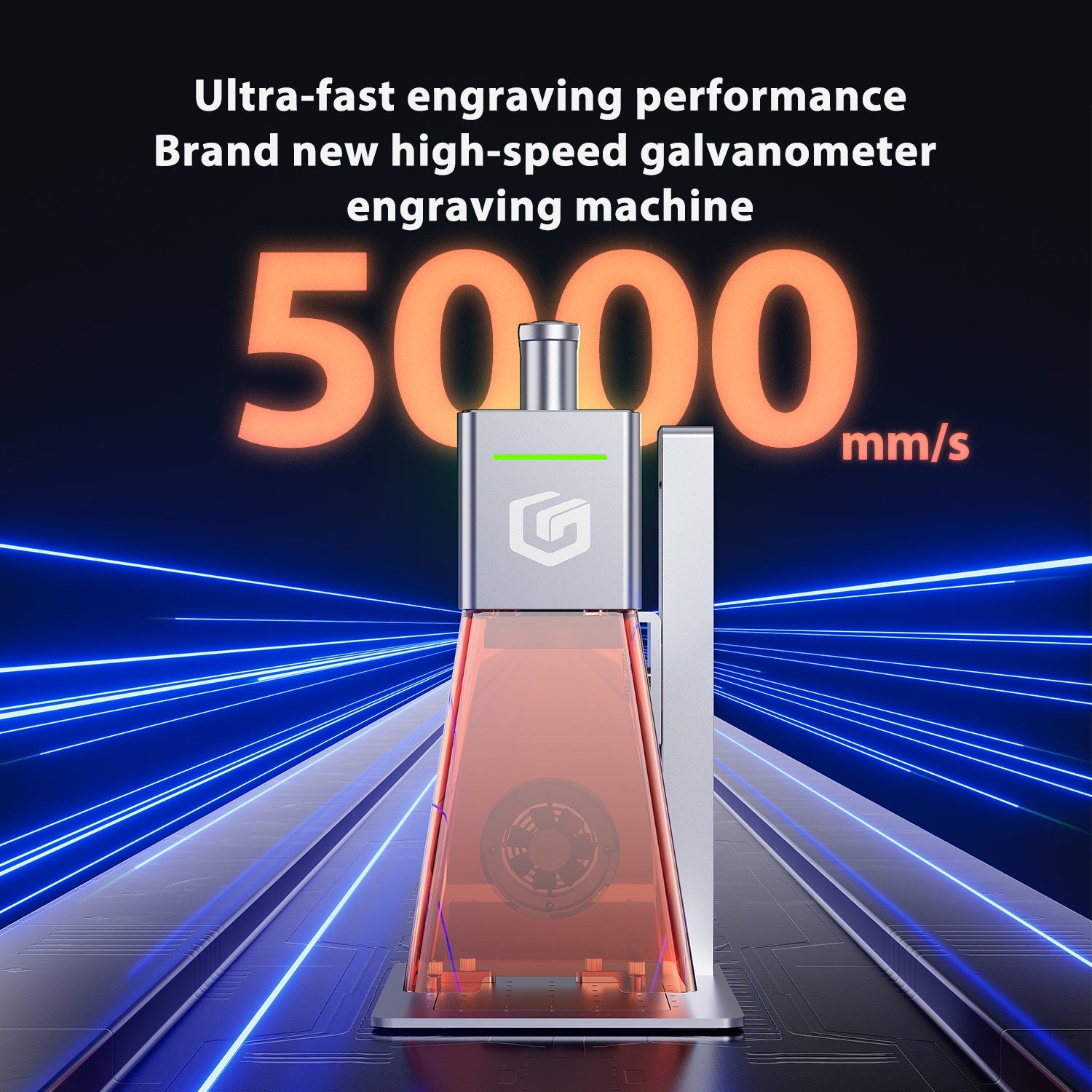
Longer Nano Pro 12W&Nano 6W Portable Laser Engraver
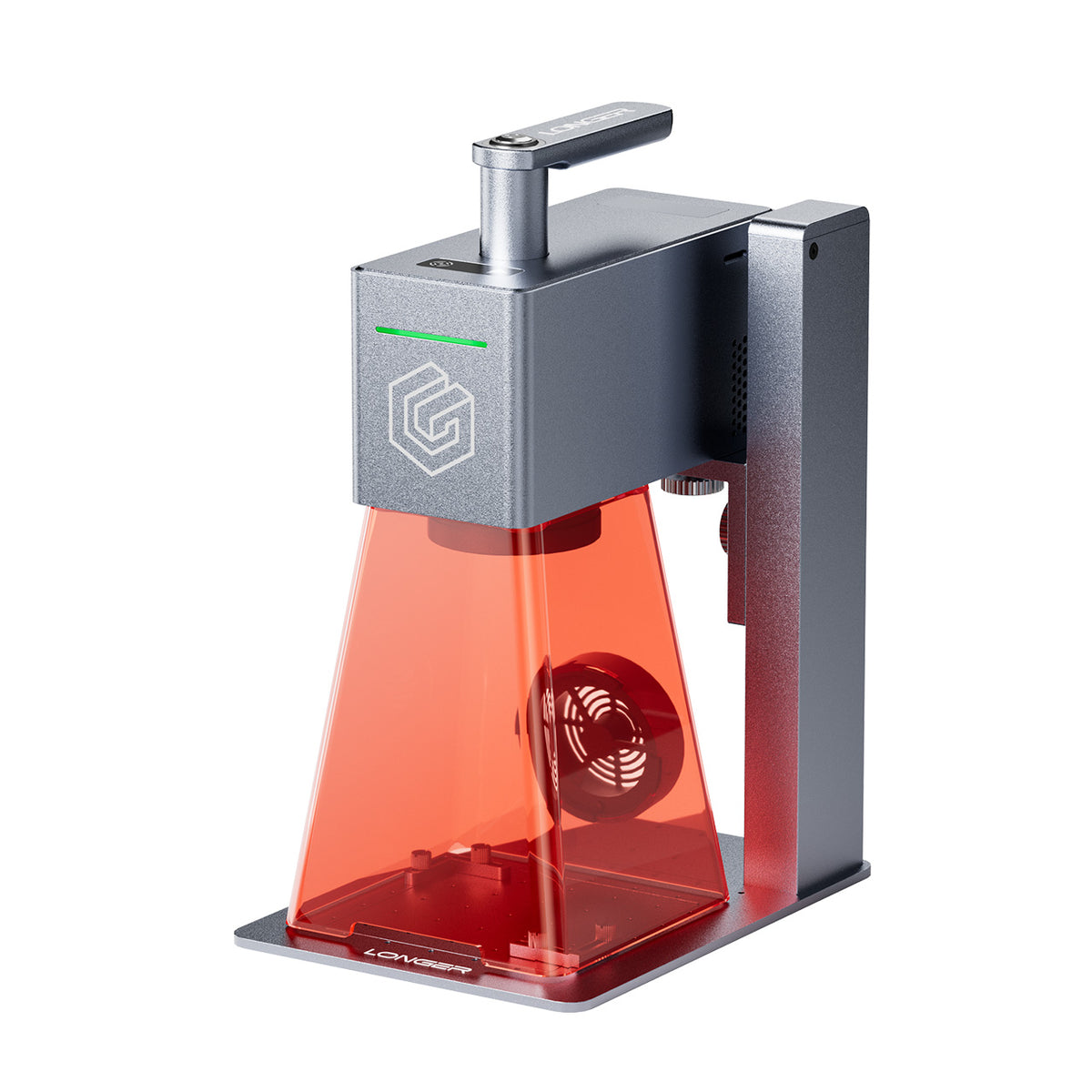

Longer Nano Ruby Laser Engraver
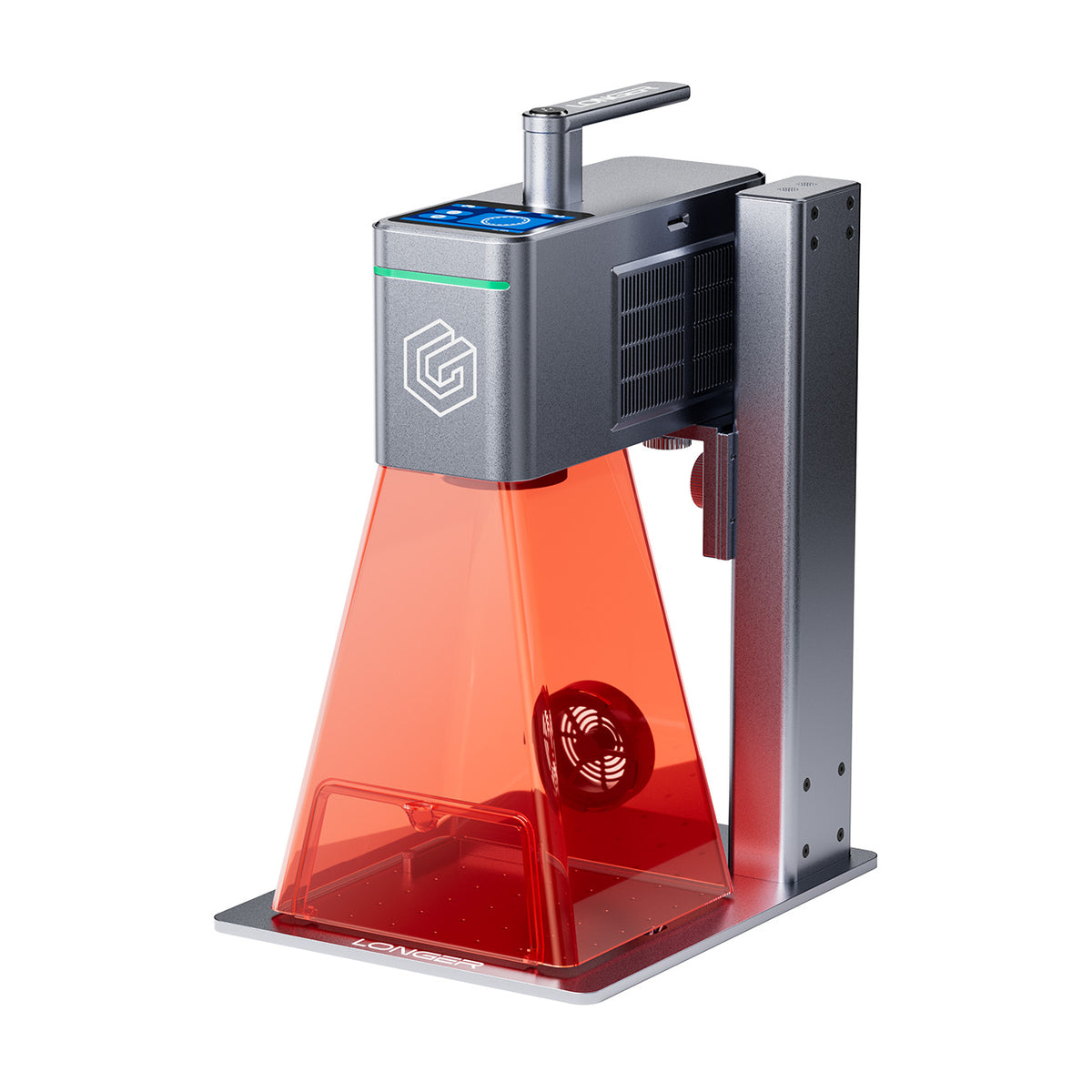
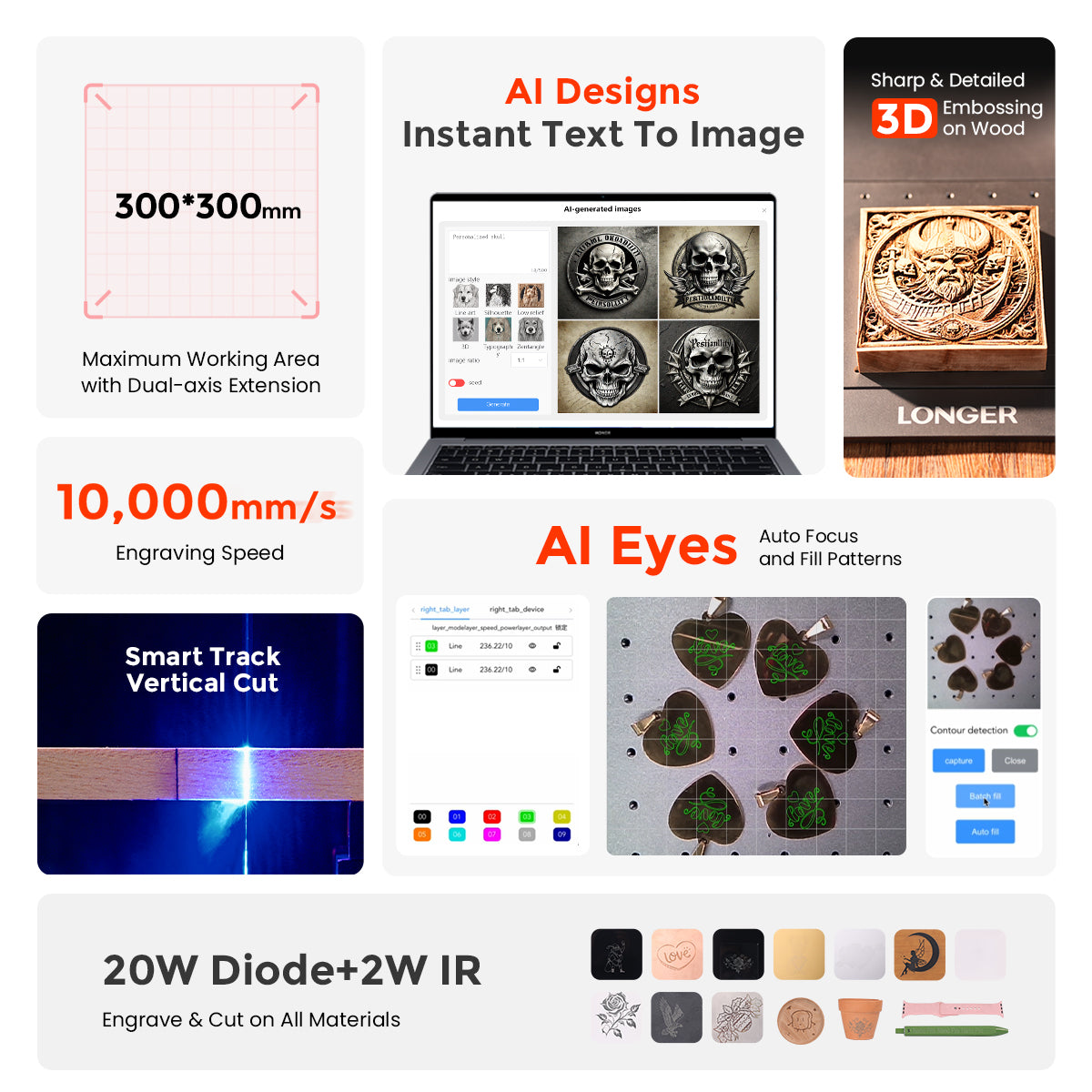
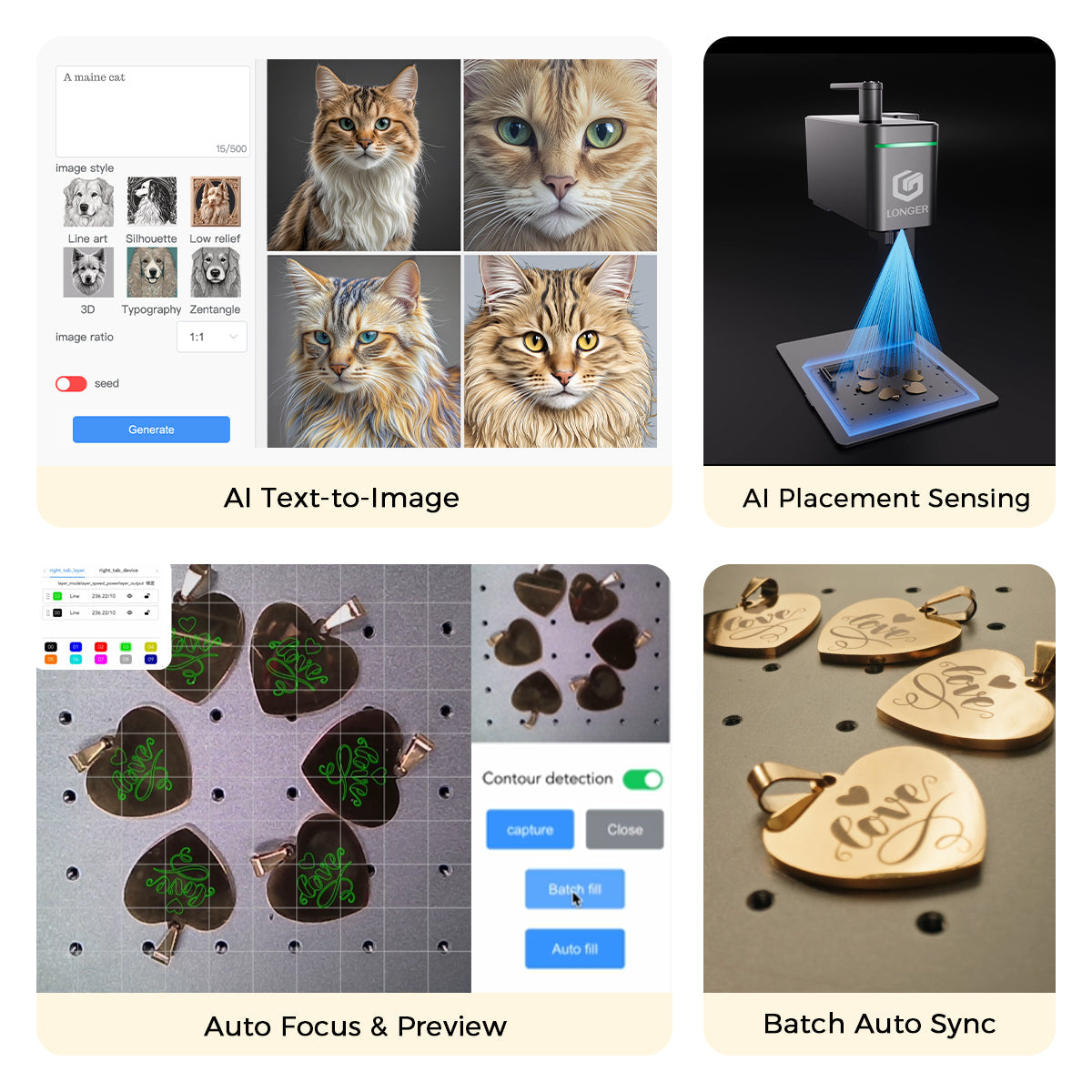

Longer Nano Duo AI Laser Engraver
FAQ
The Nano series (Nano Pro, Nano Ruby, Nano Duo AI) and Ray5 miniS are classroom favorites: compact footprints, simple software, enclosed options, and price points that work for education budgets.
Yes, when used as intended: enclosed setups with a smoke purifier contain laser light and fumes, built-in safety protections pause jobs on abnormal movement or flame, and included goggles protect users. Teacher supervision is recommended.
STEAM/STEM across the board: physics of light and motion, CAD and design thinking, engineering prototyping, art and typography, plus entrepreneurship units where students design and “sell” real products.
With teacher supervision, laser engravers are used from middle school through university. Younger students typically design on computers while teachers operate the machine; older students can run supervised jobs themselves.
LONGER works with schools and districts on multi-unit purchases — contact the sales team through the official website for education inquiries, quotes, and institutional support.
Beginner-friendly free options (LaserGRBL or LONGER’s software) let students focus on design rather than tooling; advanced classes can adopt LightBurn, the same software used in industry.
Very little to start: most teachers run their first successful engraving within an hour of unboxing. LONGER’s video tutorials and documentation cover setup, safety, and core operations.
Yes — a common model is one engraver per lab: students design individually, then queue jobs for a supervised production session. Fast engraving times mean a full class’s projects complete in one or two lessons.
A fitted enclosure, a smoke purifier (or good ventilation), wavelength-rated goggles for anyone near the machine, and a clear operating protocol posted beside the workstation.
Yes — the LONGER community and online maker education resources offer classroom-tested projects: personalized name tags, geometric puzzles, topographic maps, art reproductions, and bridge/engineering models.