
Introduction
The textile industry is constantly exploring new technologies to improve production efficiency, design flexibility, and environmental sustainability.
Laser engraving technology has become an innovative solution for textile processing. Compared with traditional methods, laser engraving provides a cleaner, more precise, and more efficient way to create patterns, textures, and customized designs on different fabrics.
From fashion design to textile manufacturing, laser technology helps creators achieve more detailed results while reducing the use of traditional consumables and resources.
LONGER continues to explore the potential of laser engraving technology, with solutions such as the LONGER Laser B1 40W laser engraver providing new possibilities for textile customization and creative production.
Benefits of Laser Engraving in Textile Production
1. Sustainability: A Cleaner Alternative to Traditional Methods
Traditional textile processing often requires large amounts of water, chemical treatments, dyes, or other consumables.
Laser engraving provides a more environmentally friendly approach by using a non-contact process that can reduce the need for:
- Water-intensive treatments
- Chemical dyes
- Inks and solvents
- Additional processing materials
By reducing dependence on traditional resources, laser engraving helps textile producers create customized designs with a cleaner production process.
2. Precision and Versatility Across Different Materials
One of the biggest advantages of laser engraving is its high level of precision.
Laser technology can create detailed patterns, textures, logos, and graphics on different textile materials, including:
- Cotton
- Linen
- Leather
- Polyester
- Nylon
- Blended fabrics
Because laser engraving works without direct physical contact, it allows designers to process delicate materials while maintaining detailed surface designs.
The LONGER Laser B1 40W is designed for processing non-metal and organic materials, providing consistent engraving performance for creative textile applications.
3. High Efficiency for Textile Production
Efficiency is an important factor in modern textile manufacturing.
Compared with traditional decoration methods such as screen printing and embroidery, laser engraving can simplify the production workflow by allowing digital design control and faster processing.
The LONGER Laser B1 40W supports a maximum working speed of up to 36,000 mm/min, helping improve production efficiency while maintaining engraving quality.
This makes laser engraving suitable for:
- Small-batch customized products
- Personalized fashion items
- Creative textile projects
- Larger production workflows
4. Resource Optimization and Cost Efficiency
Laser engraving can help reduce the need for additional production materials. Traditional textile decoration methods may require:
- Printing screens
- Inks
- Dyes
- Chemical treatments
Laser engraving simplifies the workflow by directly processing the material surface through digital control.
This can help improve resource efficiency, reduce material consumption, and create a more streamlined production process.
Impact of Laser Engraving on Fashion Design
Laser engraving has opened new possibilities for fashion designers by providing more flexible ways to create unique patterns and textures.
Designers can use laser technology to develop customized visual effects and detailed surface designs on different materials.
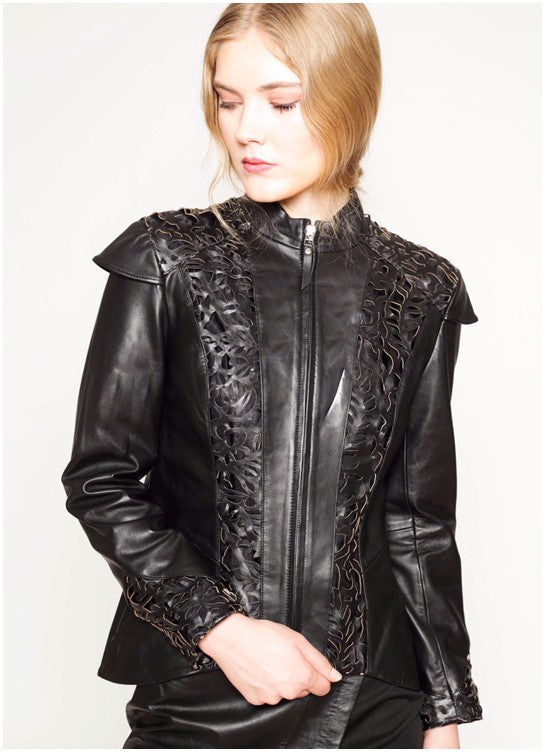
Laser Engraved Leather Products
Laser engraving allows designers to create detailed patterns and artistic elements on leather surfaces. Examples include:
- Decorative leather jackets
- Custom leather accessories
- Personalized leather products
Laser Cut and Engraved Fabric Designs
Laser technology enables designers to create delicate patterns and detailed structures on fabrics. This allows fashion creators to explore:
- Unique textures
- Decorative patterns
- Customized fabric designs
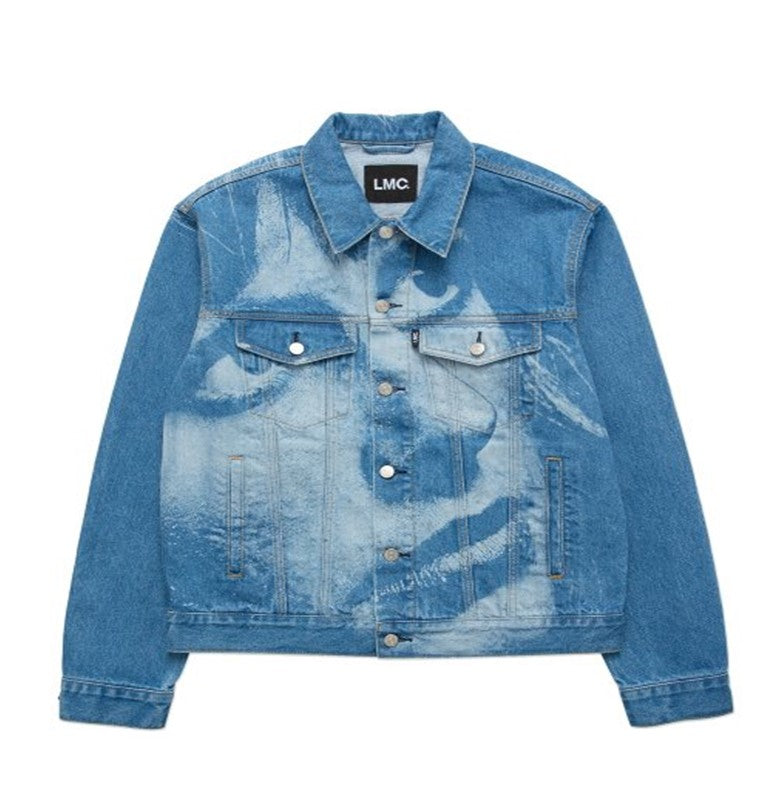
Laser Engraved Denim
Denim products are another popular application area for laser technology. Designers can create:
- Logos
- Artwork
- Text
- Custom fading effects
This provides more creative options for personalized denim fashion.
Laser Engraved Accessories
Laser engraving is also widely used for fashion accessories, including:
- Handbags
- Belts
- Shoes
The precision of laser processing helps create detailed decorative elements and customized designs.
The Future of Laser Engraving in Textile Applications
As demand for personalization and sustainable manufacturing continues to grow, laser engraving technology provides new opportunities for textile production.
Its combination of precision, flexibility, and digital control allows designers and manufacturers to create more unique products with improved workflow efficiency.
The LONGER Laser B1 40W provides powerful laser engraving capabilities with a 40W optical output, a 450 × 440 mm working area, a 50 mm fixed focus, and a fine laser spot size of 0.1 × 0.15 mm, making it suitable for detailed creative projects and textile-related applications.
Conclusion
Laser engraving technology is transforming textile production by providing a more precise, flexible, and efficient way to create designs on fabrics.
From sustainable manufacturing methods to innovative fashion applications, laser engraving enables creators to explore new possibilities in textile customization.
With advanced machines such as the LONGER Laser B1 40W, designers and makers can achieve detailed engraving results while improving production efficiency and creative flexibility.
Share:
LONGER Research: Ray5 20W Medical Device Laser Marking
Lightburn WiFi Bridge - Longer B1